
Kupu we use at Barnardos Early Learning
At Barnardos, te reo Māori is an important part of how we communicate, learn, and celebrate the identity of tamariki and whānau in our early learning services. You’ll see kupu (words) throughout our website that reflect Aotearoa New Zealand's unique language and culture.
Using and valuing te reo Māori is part of our commitment to Te Tiriti o Waitangi, and our responsibility to uphold the partnership, protection, and participation it represents.
This glossary is here to help you understand what those kupu mean. Whether you’re already familiar with te reo Māori or just beginning your journey, we hope it supports your learning and connection with the words you see across our site.
Kupu
Tamariki
Tar-mar-reek-e
Children (plural)
Tamaiti
Tar-my-eat-e
Child (singular)
Whānau
Faar-no
Family; extended family and close community connections
Kaiako
Ky-a-ko
Teacher / educator
Mahi
Mar-he
Work
Te Whāriki
Teh faar-eek-e
The New Zealand Early Childhood Curriculum, which guides our teaching and learning. Learn more here.
Motu
Moh-two
Country / Island
Kupu
Coop-ew
Word
Kaimahi
Ky-mar-he
Staff, workers, or employees
Kia ora
Key-ah ore-dah
A common greeting in te reo Māori meaning hello, but also used to express thanks or good wishes
Nau mai
No my
Welcome
Kai
Ky
Food, meal, or to eat
Kaupapa
Co-papa
A purpose, principle, or collective vision that guides actions
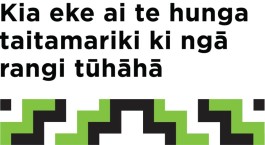
The Barnardos Poutama
Kia eke ai te hunga taitamariki ki ngā rangu tūhāhā
The translation was presented by Maahia Nathan: Principal at Te Wharekura o Manurewa, Trustee of Te Runanganui o Te Aupōuri, Trustee Parengarenga Inc, Tribal affliations Te Aupouri, Ngāti Mahuta. Certified as translator under section 15 (2) c of the Maori Language Act 1987 – 15 (2)c oral and written.
Keep learning with us
While our focus is on early learning, we believe that learning is a lifelong journey. Understanding te reo Māori is an important way we can all honour the language of Aotearoa, strengthen connections with tamariki and whānau, and live our commitment to Te Tiriti o Waitangi.
We encourage everyone — children and adults alike — to keep exploring, practising, and celebrating te reo Māori.